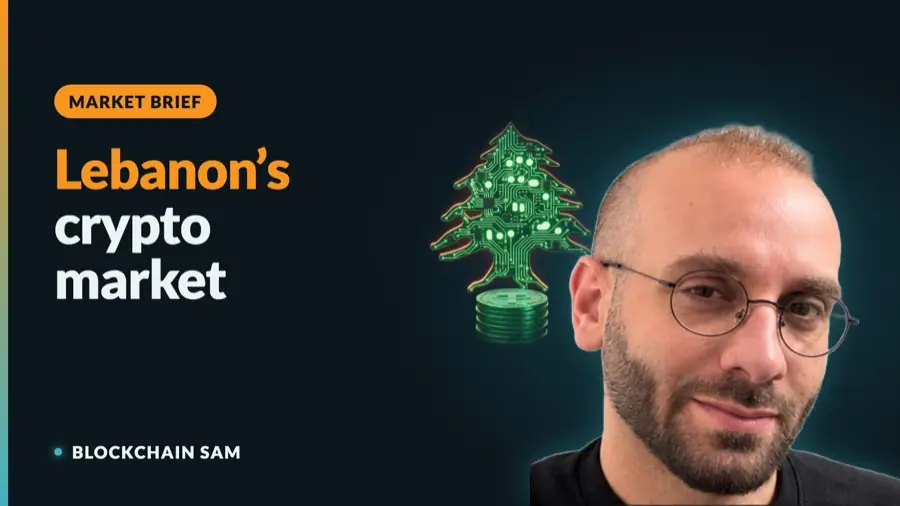
Lebanon’s crypto market: a brief for exchanges, wallets and fintech brands
Lebanon is small, but crypto here is not a hobby. It is how many people save, get paid and move money. What the market looks like in 2026, how users behave, and what it takes to win their trust.
- Since the 2019 banking collapse, USDT has become a practical savings and payment tool in Lebanon.
- Banks don’t serve crypto, so users rely on P2P, OTC desks and cash.
- Scams and fake “support” accounts are the biggest barrier to adoption.
- Lebanese users respond to education in Lebanese Arabic, not translated global ads.
- Local payment rails and real Arabic support matter more than bonuses.
- من انهيار البنوك بـ 2019، الـ USDT صارت أداة عملية للتوفير والدفع بلبنان.
- البنوك ما بتخدم الكريبتو، فالمستخدمين بيعتمدوا عالـ P2P ومكاتب الـ OTC والكاش.
- النصب وحسابات “الدعم” المزيّفة أكبر عائق للانتشار.
- المستخدم اللبناني بيتجاوب مع التعليم باللبناني، مش إعلانات عالمية مترجمة.
- طرق الدفع المحلية والدعم العربي الحقيقي أهم من البونصات.
01Why Lebanon matters
After the 2019 banking collapse, many Lebanese lost access to their dollar savings. Since then, a large part of the economy runs in cash, and USDT became a practical way to hold dollars, receive money from abroad and pay across borders. Lebanon also has a large diaspora sending money home. For an exchange or wallet, this is a market where crypto has a daily use, not just a speculative one.
02How users buy and sell
- P2P on exchanges: Binance P2P and similar markets, paid in cash, by Whish or by OMT.
- OTC desks: for larger amounts, usually settled in cash by appointment.
- No banks: the central bank has told banks and licensed financial institutions not to deal in virtual assets, so cards and bank transfers to exchanges usually fail.
- Networks: low-fee networks such as TRC20 and BEP20 dominate everyday transfers.
I wrote the user-side version of this in my guide to buying and selling USDT in Lebanon.
03The trust problem
The biggest barrier is not interest, it is fear. Lebanese users have lived through bank failures, P2P fraud, fake “flash USDT”, frozen accounts from dirty coins and impersonators posing as support. When they search for help in Arabic, they often find scammers first. A brand that solves this, with real Arabic support and clear education, has an advantage that bonuses can’t buy.
04What works with Lebanese users
- Lebanese Arabic, not translated ads. People trust someone who sounds like them and explains things step by step.
- Tutorials over hype: account setup, KYC, P2P safely, networks, withdrawals.
- Local rails: P2P liquidity in dollars and Lebanese pounds, Whish and OMT support through P2P.
- Visible, human support in Arabic, with clear warnings about impersonators.
- Community: Telegram and WhatsApp groups where users come back with questions.
05What doesn’t work
- Bonus-only campaigns that bring users who leave after the reward.
- Products that need a Lebanese bank card to start.
- Creators with a history of promoting failed tokens.
06Questions brands ask
Is Lebanon a big crypto market?
It is small in population but high in everyday use. Many people hold and move USDT because the banking system can’t serve them, and diaspora flows add to it.
Is crypto legal in Lebanon?
There is no specific crypto law. Banks are not allowed to deal in it, and individuals trade privately. Brands should take legal advice for their own setup.
How do Lebanese users fund exchange accounts?
Mostly through P2P, paying sellers in cash or through local transfer services like Whish and OMT, and through OTC desks for larger amounts.
07Who runs this blog
I’m Sam, a Lebanese crypto educator. I run an OTC desk, handle recovery cases and teach in Arabic and English, so I see these users’ questions every day. For campaigns or market partnerships, see my media kit.
01ليش لبنان مهم
بعد انهيار البنوك بـ 2019، كتير لبنانيين خسروا الوصول لتوفيراتهن بالدولار. من وقتها، قسم كبير من الاقتصاد ماشي بالكاش، والـ USDT صارت طريقة عملية لتحتفظ بالدولار، تستلم مصاري من برّا وتدفع عبر الحدود. وعند لبنان كمان انتشار كبير برّا بيبعت مصاري عالبلد. لمنصة أو محفظة، هيدا سوق فيه للكريبتو استعمال يومي، مش بس مضاربة.
02كيف المستخدمين بيشتروا وبيبيعوا
- P2P عالمنصات: Binance P2P وأسواق متلو، والدفع كاش، بـ Whish أو بـ OMT.
- مكاتب OTC: للمبالغ الأكبر، عادةً بتسليم كاش بموعد.
- بلا بنوك: مصرف لبنان طلب من البنوك والمؤسسات المالية المرخّصة ما تتعامل بالأصول الافتراضية، فالبطاقات والتحويلات البنكية للمنصات عادةً بتفشل.
- الشبكات: الشبكات قليلة الرسوم متل TRC20 و BEP20 مسيطرة عالتحويلات اليومية.
كتبت نسخة المستخدم من هالشي بـ دليل شرا وبيع الـ USDT بلبنان.
03مشكلة الثقة
أكبر عائق مش الاهتمام، هو الخوف. المستخدم اللبناني عاش انهيار البنوك، نصب الـ P2P، الـ “flash USDT” المزيّفة، حسابات تجمّدت من عملات وسخة ومنتحلين بيعملوا حالهن دعم. لمّا بيفتّش عن مساعدة بالعربي، غالبًا بيلاقي النصّابين أول. العلامة اللي بتحل هالشي، بدعم عربي حقيقي وتعليم واضح، عندها أفضلية ما بتنشرا بالبونصات.
04شو بينفع مع المستخدم اللبناني
- باللبناني، مش إعلانات مترجمة. الناس بتوثق بحدا بيحكي متلها وبيشرح خطوة بخطوة.
- شروحات بدل الضجّة: فتح الحساب، الـ KYC، الـ P2P بأمان، الشبكات، السحب.
- طرق محلية: سيولة P2P بالدولار والليرة، ودعم Whish و OMT عبر الـ P2P.
- دعم واضح وبشري بالعربي، مع تحذيرات واضحة من المنتحلين.
- مجتمع: جروبات تيليغرام وواتساب الناس بترجعلها بأسئلتها.
05شو ما بينفع
- حملات بونص بس بتجيب مستخدمين بيفلّوا بعد المكافأة.
- منتجات بدها بطاقة بنك لبنانية لتبلّش.
- صنّاع محتوى عندهن تاريخ بترويج توكنات فشلت.
06أسئلة بتسألها العلامات
لبنان سوق كريبتو كبير؟
صغير بعدد السكان بس عالي بالاستعمال اليومي. كتير ناس بيحتفظوا ويحرّكوا USDT لأنو النظام البنكي ما فيه يخدمهن، وتحويلات المغتربين بتزيد عليه.
الكريبتو قانوني بلبنان؟
ما في قانون خاص بالكريبتو. البنوك ممنوع تتعامل فيه، والأفراد بيتداولوا بشكل خاص. العلامات لازم تاخد استشارة قانونية لوضعها.
كيف المستخدم اللبناني بيموّل حسابو عالمنصة؟
غالبًا عبر الـ P2P، بيدفع للبيّاعين كاش أو عبر خدمات تحويل محلية متل Whish و OMT، وعبر مكاتب OTC للمبالغ الأكبر.
07مين بيكتب هالمدوّنة
أنا سام، معلّم كريبتو لبناني. عندي مكتب OTC، بشتغل على حالات استرجاع وبعلّم بالعربي والإنجليزي، فبشوف أسئلة هالمستخدمين كل يوم. للحملات أو شراكات السوق، شوف الميديا كيت.
More from the blog.