Crypto trading for beginners: the complete starter guide
Thousands of coins, charts moving 24/7, and everyone has an opinion. This is your simple map: how trading works, the order types, the safest strategies and a step-by-step plan.
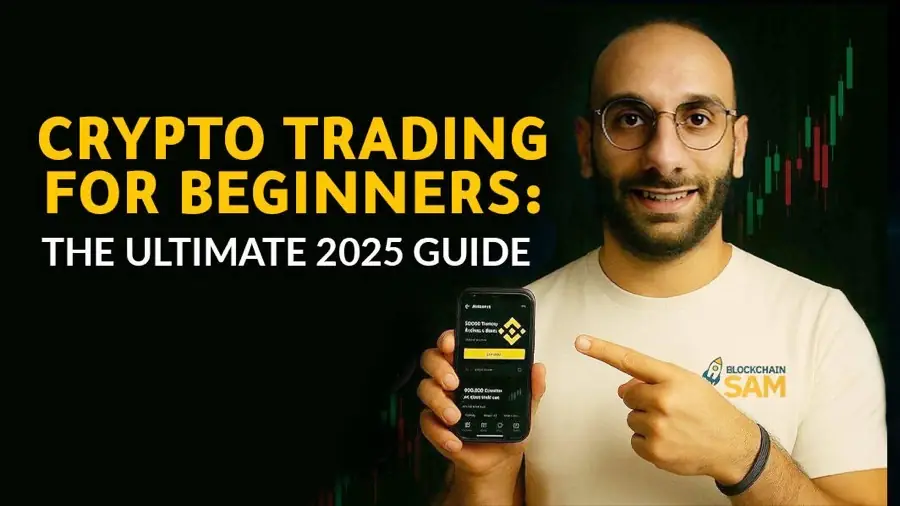
- Start on a reliable exchange with a small amount you can afford to lose.
- Learn market, limit, stop-loss and take-profit orders before your first trade.
- DCA and slow swing trades are the safest places to start. Leave scalping for later.
- Risk 1–2% per trade, always use a stop-loss, and skip the leverage.
- بلّش بمنصة موثوقة وبمبلغ صغير فيك تتحمّل تخسرو.
- تعلّم أوامر السوق والحد والـ stop-loss والـ take-profit قبل أول صفقة.
- الـ DCA والسوينغ البطيء أأمن مكان تبلّش فيه. خلّي السكالبينغ لبعدين.
- خاطر بـ 1 لـ 2% بالصفقة، دايمًا استعمل stop-loss، وابعد عن الرافعة.
01What crypto trading is
Trading means buying and selling crypto to make a profit. There are two broad approaches:
- Investing: buy and hold for the long term.
- Trading: shorter-term buying and selling.
Unlike stock markets, crypto trades 24/7, worldwide, and moves a lot. That is the opportunity and the danger.
02Step 1: Choose an exchange
For beginners, a large centralised exchange like Binance is the easiest start: simple apps, deep liquidity, tutorials and support. Decentralised exchanges come later, once you understand wallets. If you need a guide, read how to create a Binance account.
03Step 2: Learn the order types
| Order | What it does |
|---|---|
| Market | Buys or sells right now at the current price |
| Limit | You set the price. It fills only if the market reaches it |
| Stop-loss | Sells automatically if price drops to your level |
| Take-profit | Sells automatically when your target is hit |
Rule: beginners should always use a stop-loss.
04Step 3: Pick a beginner-friendly strategy
- DCA (dollar-cost averaging): invest a fixed amount on a schedule, for example $100 a week. The safest start.
- Swing trading: hold for days or weeks to catch bigger moves. Needs basic chart reading.
- Scalping: very fast trades for tiny moves. High risk, not for beginners.
05Step 4: Chart basics
- Candlesticks show the open, close, high and low of each period.
- Support and resistance are levels where price tends to bounce or get rejected.
- RSI shows if a coin looks overbought or oversold. MACD and moving averages help you see the trend.
Charts don’t predict the future. They help you think in probabilities.
06Step 5: Protect your money
Most beginners don’t lose because they chose the wrong coin. They lose because they didn’t manage risk.
- Never invest more than you can afford to lose.
- Risk 1–2% of your capital per trade, at most.
- Always set a stop-loss.
- Avoid leverage until you have real experience.
07Mistakes to avoid
- Trading on emotion: greed, fear or revenge after a loss.
- Following random calls on X or Telegram without checking.
- Thinking “this time is different”.
08Useful tools
- Prices and tracking: CoinMarketCap, CoinGecko.
- Charts: TradingView.
- Learning: Binance Academy and my YouTube channel.
- Security: a hardware wallet for long-term holdings.
09Your roadmap
- Open an account on a reliable exchange.
- Start small, for example $100–500.
- Practise market and limit orders with tiny amounts.
- Run DCA or small swing trades, and write down every trade.
- Review your results every week.
- Increase your size only as your results and confidence grow.
It isn’t about getting rich overnight. It is about staying in the game long enough to win.
Education only, not financial advice.
01شو هو تداول الكريبتو
التداول يعني تشتري وتبيع كريبتو لتعمل ربح. في طريقتين بشكل عام:
- الاستثمار: بتشتري وبتمسك عالمدى الطويل.
- التداول: شرا وبيع على مدى أقصر.
عكس أسواق الأسهم، الكريبتو شغّال 24/7، بكل العالم، وبيتحرّك كتير. هيدي الفرصة وهيدا الخطر.
02الخطوة 1: اختار منصة
للمبتدئ، منصة مركزية كبيرة متل Binance هي أسهل بداية: تطبيقات بسيطة، سيولة عالية، شروحات ودعم. المنصات اللامركزية بتجي بعدين، لما تفهم المحافظ. إذا بدك دليل، اقرا كيف تفتح حساب Binance.
03الخطوة 2: تعلّم أنواع الأوامر
| الأمر | شو بيعمل |
|---|---|
| Market | بيشتري أو بيبيع هلّق بالسعر الحالي |
| Limit | إنت بتحدد السعر. بيتنفّذ بس إذا وصلو السوق |
| Stop-loss | بيبيع أوتوماتيك إذا نزل السعر لمستواك |
| Take-profit | بيبيع أوتوماتيك لما يوصل لهدفك |
القاعدة: المبتدئ لازم دايمًا يستعمل stop-loss.
04الخطوة 3: اختار استراتيجية مناسبة للمبتدئين
- الـ DCA (الشراء الدوري): بتستثمر مبلغ ثابت بمواعيد ثابتة، مثلاً 100 دولار بالجمعة. أأمن بداية.
- السوينغ: بتمسك أيام أو أسابيع لتلقط حركات أكبر. بدّو قراءة شارت أساسية.
- السكالبينغ: صفقات سريعة كتير لحركات صغيرة. خطر عالي، مش للمبتدئين.
05الخطوة 4: أساسيات الشارت
- الشموع بتوريك الفتح والإغلاق والأعلى والأدنى لكل فترة.
- الدعم والمقاومة مستويات السعر عادةً بيرتد عنها أو بينرفض عندها.
- الـ RSI بيوريك إذا العملة مبيّنة مشتراة زيادة أو مبيوعة زيادة. الـ MACD والمتوسطات المتحركة بيساعدوك تشوف الاتجاه.
الشارت ما بيتنبّأ بالمستقبل. بيساعدك تفكّر بالاحتمالات.
06الخطوة 5: احمي مصرياتك
أغلب المبتدئين ما بيخسروا لأنهن اختاروا العملة الغلط. بيخسروا لأنهن ما أداروا المخاطرة.
- أبدًا لا تستثمر أكتر من اللي فيك تتحمّل تخسرو.
- خاطر بـ 1 لـ 2% من رأس مالك بالصفقة، كحد أقصى.
- دايمًا حط stop-loss.
- ابعد عن الرافعة لحتى يصير عندك خبرة حقيقية.
07أغلاط لازم تتجنّبها
- التداول بالعاطفة: طمع، خوف أو انتقام بعد خسارة.
- إنك تلحق توصيات عشوائية على X أو تلغرام بلا ما تتأكد.
- إنك تفكّر "هالمرة غير".
08أدوات مفيدة
- الأسعار والمتابعة: CoinMarketCap و CoinGecko.
- الشارت: TradingView.
- التعلّم: Binance Academy وقناتي على يوتيوب.
- الأمان: محفظة hardware للاستثمارات الطويلة.
09خريطة طريقك
- افتح حساب بمنصة موثوقة.
- بلّش صغير، مثلاً 100 لـ 500 دولار.
- تمرّن على أوامر Market و Limit بمبالغ صغيرة كتير.
- اعمل DCA أو صفقات سوينغ صغيرة، واكتب كل صفقة.
- راجع نتايجك كل جمعة.
- كبّر حجمك بس لما نتايجك وثقتك يكبروا.
القصة مش إنك تصير غني بليلة. القصة إنك تضل باللعبة كفاية لتربح.
للتعليم فقط، مش نصيحة مالية.