CEX vs DEX: who really owns your crypto?
When you buy crypto, do you actually own it? It depends on where you keep it. The difference between exchanges and self-custody, and how to use both safely.

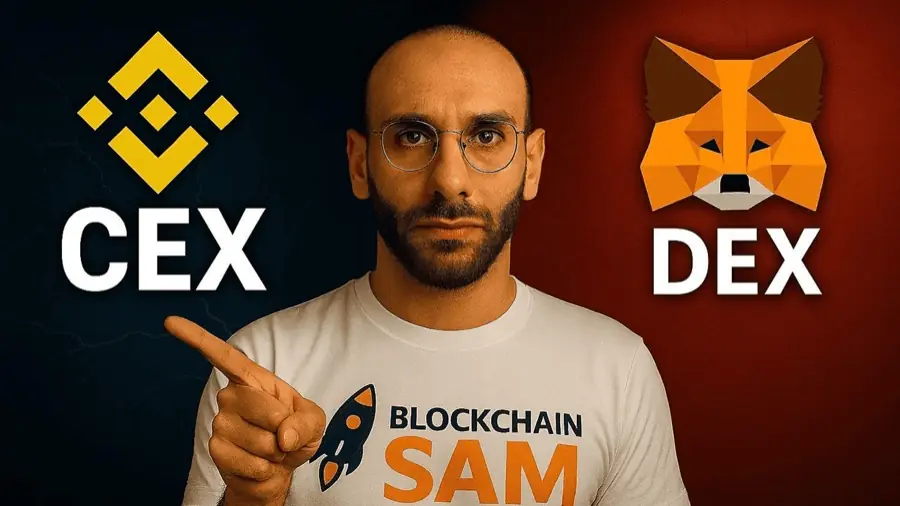
- On a centralised exchange (CEX), the exchange holds your keys.
- On a decentralised exchange (DEX), you hold your keys, and all the responsibility.
- CEX risk: the exchange fails. DEX risk: you make a mistake or buy a scam token.
- Smart setup: trade on a CEX, keep long-term funds in your own wallet.
- عالمنصة المركزية (CEX)، المنصة هي اللي ماسكة مفاتيحك.
- عالمنصة اللامركزية (DEX)، إنت ماسك مفاتيحك، وكل المسؤولية عليك.
- خطر الـ CEX: المنصة بتنهار. خطر الـ DEX: إنت بتغلط أو بتشتري توكن احتيال.
- الطريقة الذكية: تداول عالـ CEX، وخلّي مصاري المدى الطويل بمحفظتك.
01The real question is the keys
Whoever controls the private keys controls the crypto. On a centralised exchange like Binance or Coinbase, the exchange holds them. On a decentralised exchange like Uniswap or PancakeSwap, you trade from your own wallet and the keys stay with you.
Not your keys, not your coins.
02CEX: a bank for crypto
You deposit funds, the exchange looks after them, and you trade on its platform.
- Good: easy for beginners, deep liquidity, customer support, advanced tools like futures and copy trading, and easy cash in and out.
- Bad: you don’t hold the keys, the exchange can be hacked or go bankrupt, and accounts can be frozen for compliance reasons.
03DEX: trading without a middleman
You connect your wallet and swap directly through smart contracts.
- Good: you control your keys, no permission needed, every trade is on-chain, and new tokens often launch here first.
- Bad: less liquidity for big trades, harder for beginners, no support line, and a lot of scam tokens.
04Side by side
| CEX | DEX | |
|---|---|---|
| Who holds the keys | The exchange | You |
| Ease of use | Easy | Harder |
| Support | Yes | None, you are your own bank |
| Main risk | Exchange failure or freeze | Your mistakes, scams, contract hacks |
| Real examples | Mt. Gox 2014, FTX 2022 | Rug pulls, DeFi exploits |
05Which one should beginners use?
- Start on a reputable CEX. It is easier and comes with support.
- Learn a self-custody wallet like MetaMask, Trust Wallet or a hardware wallet such as Ledger.
- Move long-term savings to your own wallet and keep only what you trade on the exchange.
- Try DEXs slowly, with small amounts, and only with tokens you have checked.
06The future is probably hybrid
Big exchanges are adding wallet and DEX features, and DEXs are getting easier to use. The line between them is getting thinner, but the key question stays the same.
07My golden rules
- On a CEX, they hold it. On a DEX, you hold it.
- Never share your seed phrase. Not with support, not with anyone. Ever.
- Write the seed phrase on paper, store it offline, and keep it private.
- Learn both, use both. In crypto, ownership is power.
Want your setup checked? See fund security setup.
Education only, not financial advice.
01السؤال الحقيقي هو المفاتيح
اللي ماسك المفاتيح الخاصة هو اللي ماسك الكريبتو. عالمنصة المركزية متل Binance أو Coinbase، المنصة ماسكتهن. عالمنصة اللامركزية متل Uniswap أو PancakeSwap، بتتداول من محفظتك والمفاتيح بتضل معك.
إذا مش مفاتيحك، مش عملاتك.
02الـ CEX: بنك للكريبتو
بتودّع مصرياتك، المنصة بتهتم فيهن، وبتتداول على منصتها.
- الحلو: سهلة للمبتدئين، سيولة عالية، دعم للعملاء، أدوات متقدمة متل العقود الآجلة والنسخ، وسهولة بالإيداع والسحب كاش.
- السيّئ: مش ماسك المفاتيح، المنصة ممكن تنخترق أو تفلّس، والحسابات ممكن تتجمّد لأسباب امتثال.
03الـ DEX: تداول بلا وسيط
بتوصل محفظتك وبتبدّل مباشرة عبر العقود الذكية.
- الحلو: إنت ماسك مفاتيحك، ما بدك إذن من حدا، كل صفقة عالبلوكشين، والتوكنات الجديدة غالبًا بتنطلق هون أول.
- السيّئ: سيولة أقل للصفقات الكبيرة، أصعب للمبتدئين، ما في رقم دعم، وكتير توكنات احتيال.
04جنب بعض
| CEX | DEX | |
|---|---|---|
| مين ماسك المفاتيح | المنصة | إنت |
| سهولة الاستعمال | سهلة | أصعب |
| الدعم | موجود | ما في، إنت البنك تبع حالك |
| الخطر الأساسي | انهيار المنصة أو تجميد الحساب | أغلاطك، الاحتيال، اختراق العقود |
| أمثلة حقيقية | Mt. Gox سنة 2014، FTX سنة 2022 | Rug pulls، اختراقات DeFi |
05شو لازم يستعمل المبتدئ؟
- بلّش بمنصة مركزية موثوقة. أسهل وفيها دعم.
- تعلّم محفظة حفظ ذاتي متل MetaMask أو Trust Wallet أو محفظة hardware متل Ledger.
- نقّل مدّخرات المدى الطويل لمحفظتك وخلّي عالمنصة بس اللي عم تتداول فيه.
- جرّب الـ DEX شوي شوي، بمبالغ صغيرة، وبس بتوكنات فحصتها.
06المستقبل على الأغلب هجين
المنصات الكبيرة عم تزيد ميزات محافظ و DEX، والـ DEX عم تصير أسهل. الخط بيناتهن عم يرقّ، بس سؤال المفاتيح بيضل نفسو.
07قواعدي الذهبية
- عالـ CEX، هنّي ماسكينها. عالـ DEX، إنت ماسكها.
- أبدًا لا تعطي الـ seed phrase لحدا. لا للدعم، لا لأي حدا. أبدًا.
- اكتب الـ seed phrase على ورقة، خبّيها أوفلاين، وخلّيها سرّ.
- تعلّم التنين، استعمل التنين. بالكريبتو، الملكية قوة.
بدك حدا يفحص طريقة حفظك؟ شوف إعداد أمان الأموال.
للتعليم فقط، مش نصيحة مالية.